In Northeast Wisconsin, the first frost typically shows up around the end of September, and once the ground freezes, your options for exterior repair narrow fast. Sealants stop curing. Shingles get brittle. Contractor calendars fill up. What would have been a straightforward fall repair becomes an emergency call in January, usually at a worse price.
Fall is the single best window of the year to get ahead of Wisconsin winter. Below is the checklist Klespitz and Son Construction walks through with Appleton-area homeowners every September: what to inspect, what to fix now, and what can wait until spring.
Klespitz and Son Construction is a family- and veteran-owned general contractor with more than 20 years of experience in the Fox Valley. We are fully licensed and insured, we offer free quotes, and we handle roofing, decks, carpentry, flooring, and full remodels under one roof. Call or text us at 920-441-2709.
Why Fall Matters More in Wisconsin Than Almost Anywhere Else
Wisconsin homes take a beating from the freeze-thaw cycle. Water gets into a small gap during a 40-degree afternoon, freezes overnight, expands, and makes that gap bigger. Repeat that a few dozen times between November and March and a hairline crack in your caulking becomes a rotted window frame; a slightly clogged gutter becomes an ice dam that pushes water back under your shingles and into your ceiling.
Every item on this list is about the same thing: keeping water out and keeping heat in before the freeze-thaw cycle starts.
The 9-Point Fall Home Maintenance Checklist
1. Inspect Your Roof: From the Ground and Up Close
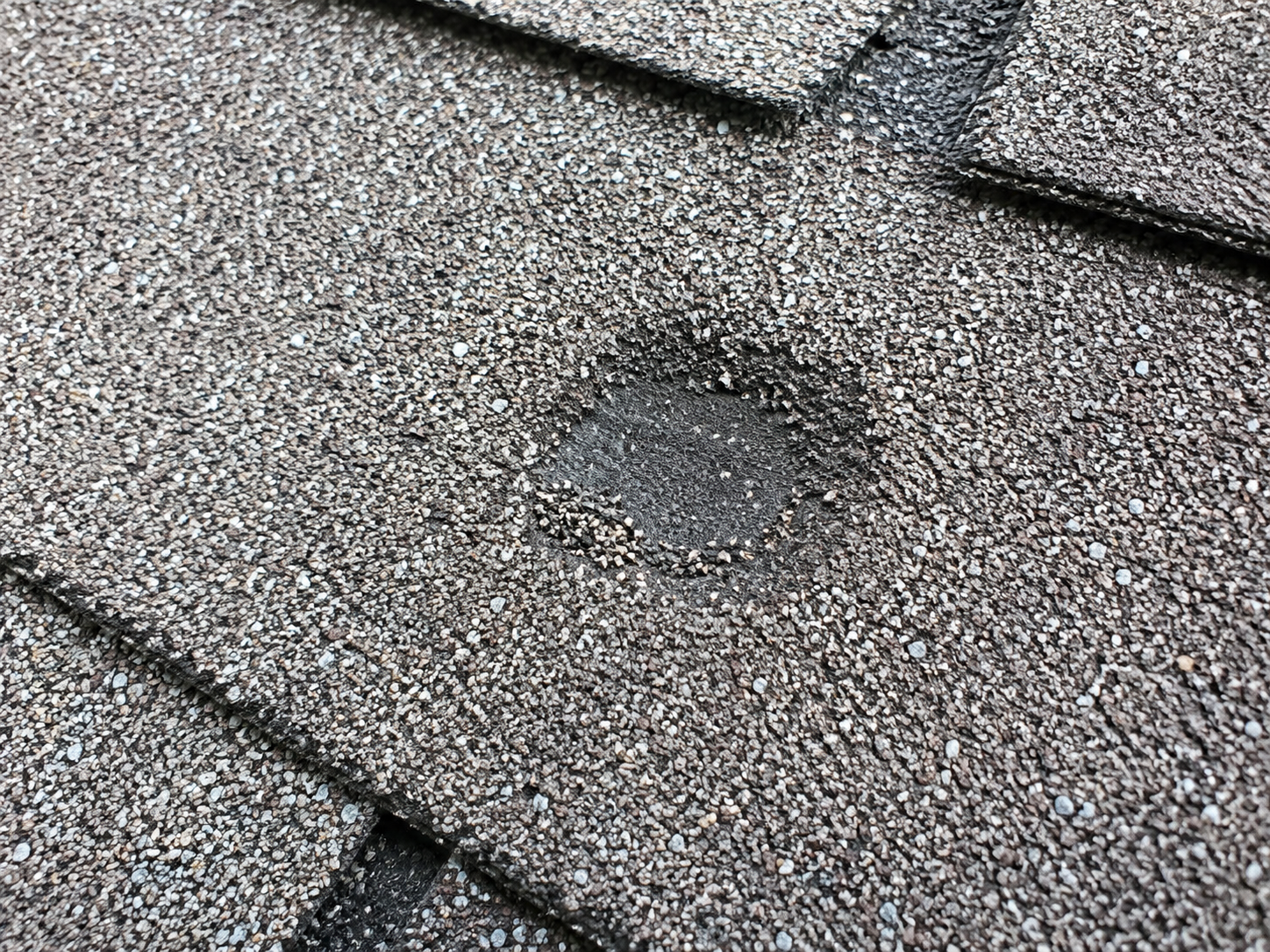
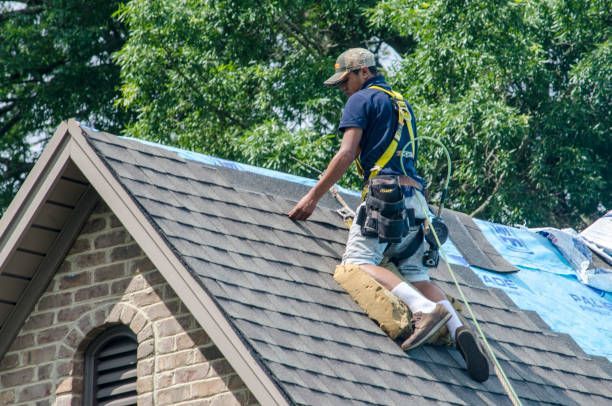
Your roof is the first line of defense against snow load and ice. Walk your property and look for shingles that are curling, buckling, cracked, or missing, plus any dark streaks or granule buildup at the bottom of downspouts. Then check the flashing around chimneys, skylights, and plumbing vents. That is where most winter leaks actually start, not in the middle of the roof field.
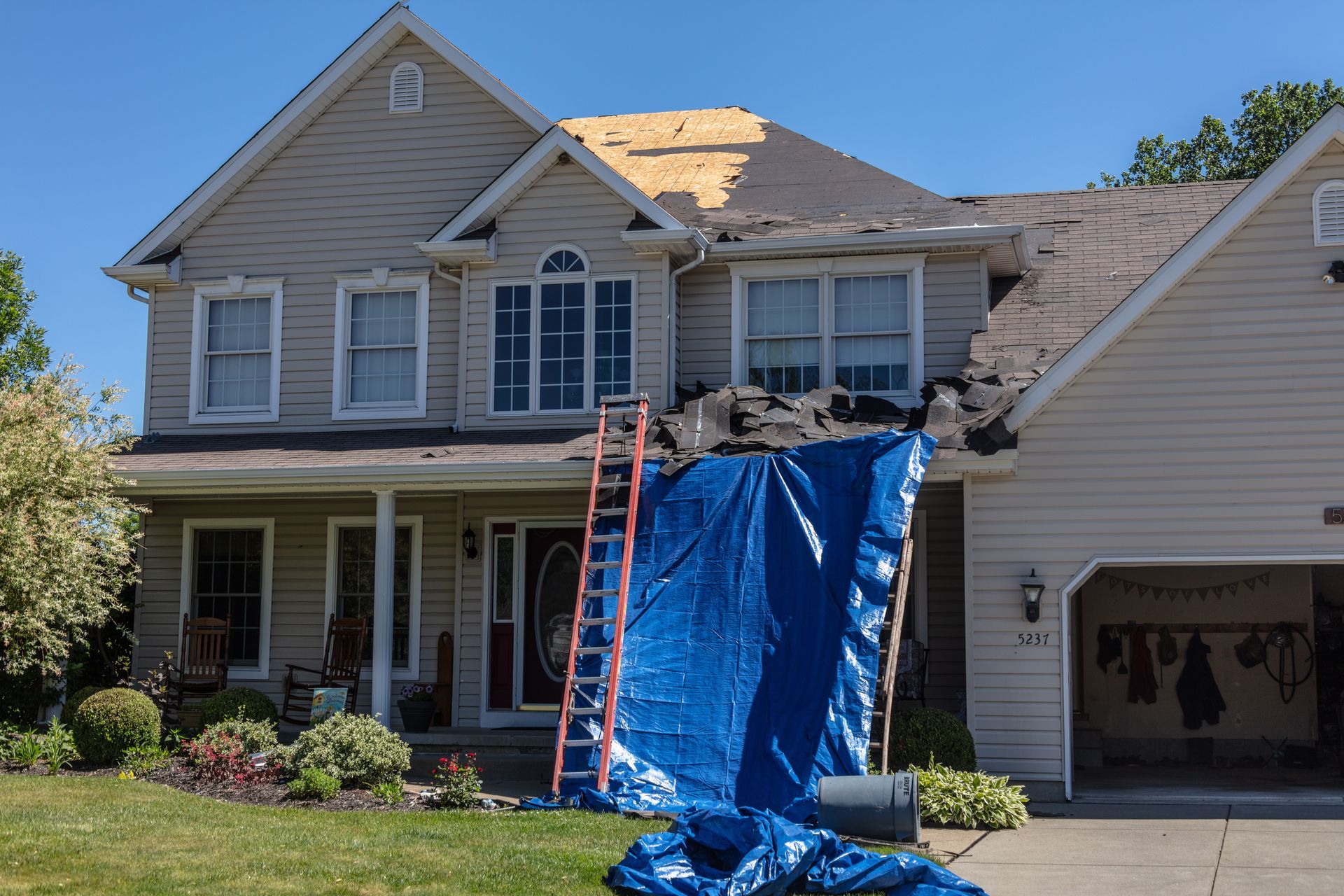
If your roof took hail or wind damage earlier this year, do not assume it is fine because it is not leaking yet. Damaged shingles often hold up until the first heavy snow, then fail all at once.
2. Clean the Gutters, Twice
Clean gutters once when the leaves start dropping and again after the trees are bare. A gutter packed with wet leaves holds water, that water freezes, and the added weight pulls the gutter away from the fascia. While you are up there, confirm your downspouts discharge at least five feet away from the foundation so meltwater is not soaking the soil right next to your basement wall.
3. Check Soffit, Fascia, and Trim for Rot
Soffit and fascia are the least glamorous parts of a house and the most commonly ignored. Soft or discolored wood, peeling paint, or visible gaps mean water is already getting in, and damaged soffit also blocks the intake ventilation your attic needs. This is straightforward carpentry work in September and a much bigger job once it has spread into the roof deck.
4. Prevent Ice Dams Before They Form
Ice dams are not really a roofing problem; they are an insulation and ventilation problem. Warm air escaping into your attic melts snow on the upper roof; the meltwater runs down to the cold eave, refreezes, and builds a dam that forces water back up under the shingles.
Three things prevent it:
•
Insulation:
Most Wisconsin attics should be at R-49 to R-60, roughly 16 to 20 inches of blown-in insulation. Many older Fox Valley homes are well below that.
•
Air sealing:
Seal around recessed lights, plumbing stacks, chimney chases, and the attic hatch so warm air cannot bypass the insulation entirely.
•
Ventilation:
Balance intake vents at the soffits with exhaust vents at the ridge, and keep a two-inch gap between insulation and roof sheathing using baffles. The standard sizing target is one square foot of net free vent area per 150 square feet of attic floor (or per 300 with a vapor barrier and balanced vents).
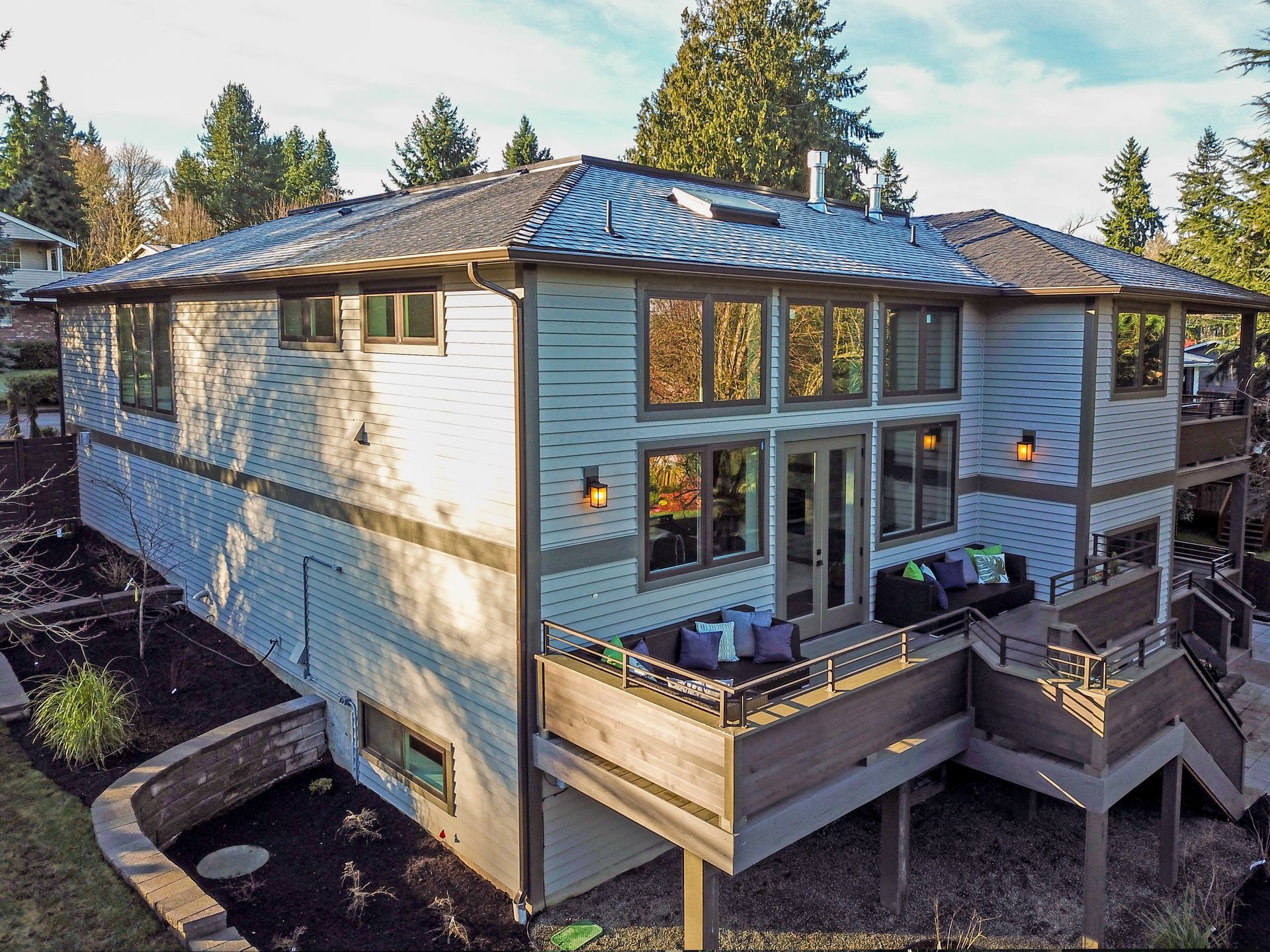
5. Seal or Stain Your Deck While the Weather Still Allows It
This one is genuinely time-sensitive. Most deck stains and sealers need temperatures above 50°F during application and for 8 to 12 hours afterward, with no overnight freeze in the forecast. In the Fox Valley, that window usually closes by mid-October.
Before you seal, inspect the structure: check for loose or springy boards, popped fasteners, wobble in the railings, and, most importantly, the ledger board where the deck attaches to the house. A failing ledger connection is the most common cause of deck collapse, and it is not something to leave through a winter of snow load.
6. Test Every Window and Door for Air Leaks
On a windy day, run your hand around window and door perimeters. Drafts mean failed weatherstripping, failed caulking, or a seal that has given out. Look also for condensation between double-pane glass, which means the seal has failed and the window has lost most of its insulating value. Replacing worn weatherstripping and door sweeps is cheap; leaving it costs you all winter on your heating bill.
7. Walk the Siding and Caulk Lines
Look for cracked, loose, or punctured siding and gaps where siding meets windows, doors, corners, and utility penetrations. Fresh exterior caulk needs to cure above roughly 40°F, so this is another job that gets much harder in November.
8. Check Grading and Foundation Drainage
The ground should slope away from your house. If it does not, snowmelt collects against the foundation, freezes, and works its way into cracks. Also look for gaps around basement windows, hose bibs, and where utilities enter the house. Those are entry points for both water and mice.
9. Book Your Interior Project Now
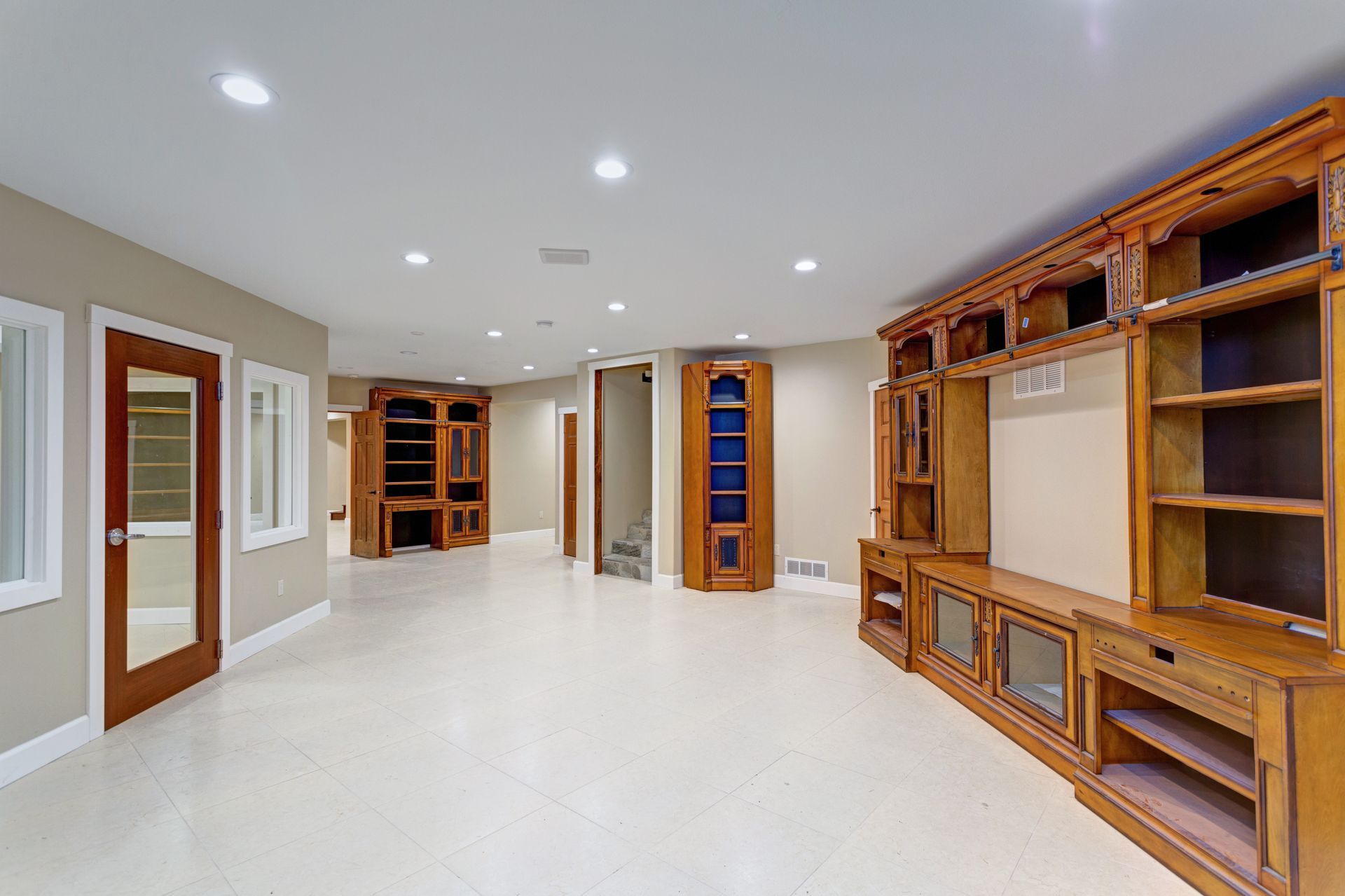
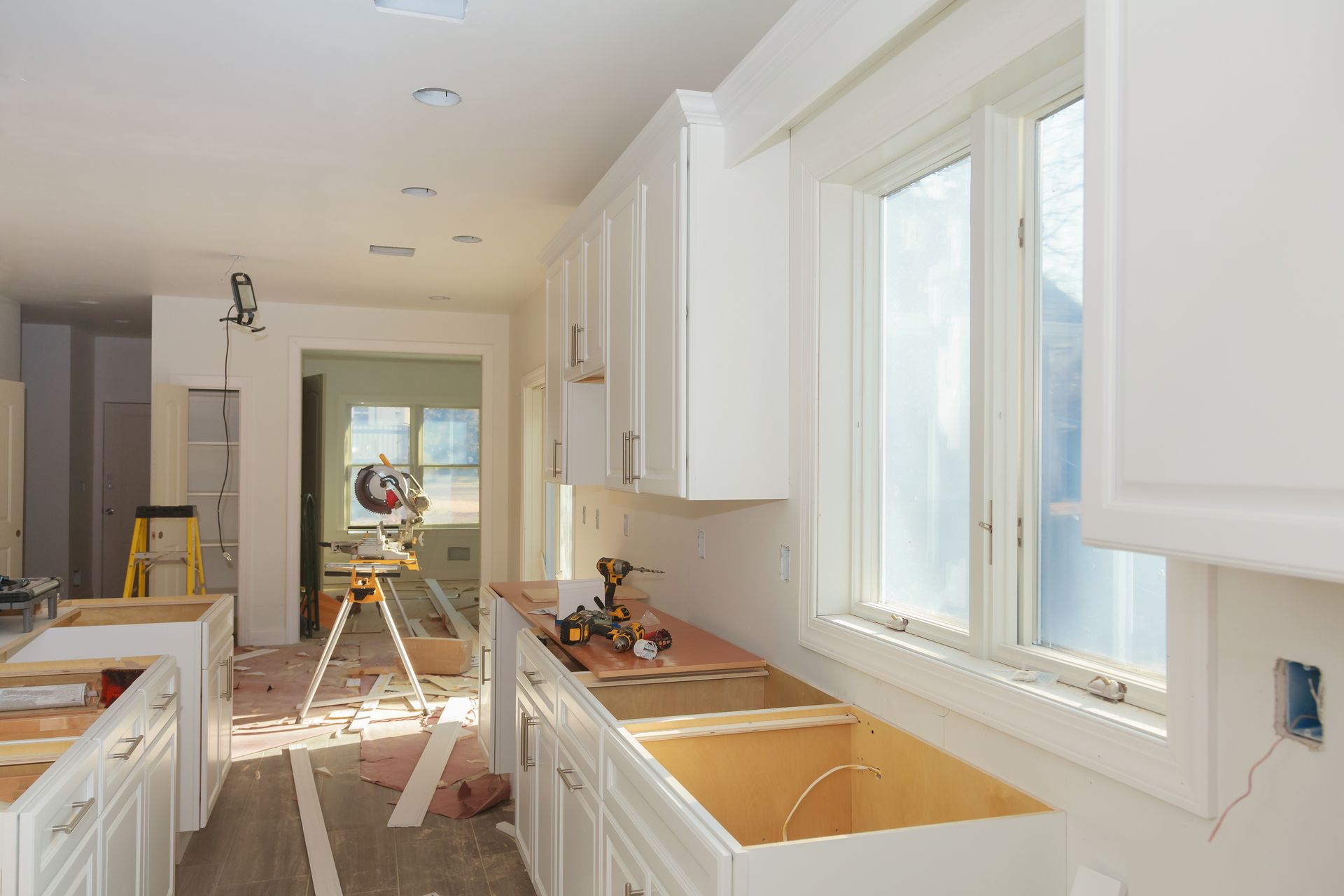
Winter is the right season for interior work: kitchen and bathroom remodels, flooring, drywall, trim, built-ins, and basement finishing. Scheduling in September or October means you get a spot on the calendar instead of waiting. If you have been thinking about a remodel, this is the time to have the conversation.
What to Do If You Find a Problem
Not everything on this list is a DIY job, and a few items (anything involving a ladder, a roof, or structural framing) are worth handing off. Take photos of anything that concerns you, note where it is, and get a professional assessment before you commit to a repair approach. A good contractor will tell you honestly what needs to happen this fall and what can safely wait until spring.
“We would rather do a $600 repair in September than a $6,000 repair in February. Fall inspections save our customers real money. That is the whole point.”
Why Fox Valley Homeowners Choose Klespitz and Son Construction
•
20+ Years of Local Experience:
We know how Wisconsin winters treat Fox Valley homes because we have been repairing them for two decades.
•
Family- and Veteran-Owned:
You deal with the people doing the work, not a call center.
•
Fully Licensed and Insured:
Complete peace of mind on every job, residential or commercial.
•
One Team, Full Scope:
Roofing, decks, carpentry, flooring, siding, and remodeling, with no juggling multiple contractors.
•
Free Quotes:
An honest assessment at no cost and no obligation.
•
Discounts Available:
Special pricing for seniors, first responders, military members, and veterans.